
Table of Contents
1. Introduction to camping tents: a data-driven guide
2. Tent types and layouts for family camping
3. Seasonal readiness and weatherproofing
4. Camping tents FAQ
5. Conclusion and practical next steps
Introduction to camping tents: a data-driven guide
Choosing Camping tents begins with clear goals, site realities, and data-backed comparisons. Map who sleeps where, how gear fits, and whether you need separate rooms or a shared living area. This occupancy plan prevents overbuilding and gaps in protection, whether you’re after a family camping tent or a lightweight camping tent for solo trips. Align shelter with seasonal conditions and budget to keep nights comfortable and mornings efficient. A practical approach also weighs weight, setup time, and durability.
Understanding your family’s camping goals
Determine occupancy and layout needs
Decide between multi-room or single-family space; plan for two adults, kids, and gear.
Assess campsite conditions across seasons
Consider seasonal weather to choose ventilation and cold-weather options.
Key decision factors in tent selection
Capacity and floor area vs headroom
Balance floor space with standing height; account for gear, and for a three person cabin tent with room dividers, spacing matters.
Weather resistance and waterproofing
Check seams, rainfly, waterproof tent ratings; canvas camping tent for rain and cold weather can be an option; verify insulation and condensation control.
Weight, packed size, and setup time, including tradeoffs for three person tents
Weigh tradeoffs: lighter tents ease treks; three person cabin tent with room dividers adds bulk and setup time.
How data-driven insights shape recommendations
Benchmark tents using performance metrics from reviews
Compare wind stability, condensation, and durability from independent reviews.
Balance price, durability, and feature set with real-world use
Weigh warranty, materials, and features against price and user feedback. This groundwork leads into tent types and layouts for family camping.
Tent types and layouts for family camping
Choosing the right camping tents for family trips hinges on space, setup, and climate adaptability. outdoor tents often favor lightweight packs and quick pitches, while family camping tents emphasize roominess and organized living areas. Cabin-style layouts and canvas fabrics alter warmth and durability, shaping how you spend evenings and mornings at the campsite.
Outdoor tents vs family camping tents
Details
- Family camping tents are typically larger with near-vertical walls that maximize usable floor space for cots, air mattresses, and gear. This makes evenings inside more comfortable for kids and parents.
- Outdoor tents generally prioritize lighter weight, simpler pole systems, and faster setups. They work well for weekend trips with minimal crews but can feel cramped for a family of four or more.
- Cabin tents vs dome tents: Cabin tents use straight, nearly vertical walls for more headroom and living space; dome tents pitch quicker and stack, offering a more compact footprint. Choose based on how long you’ll stay and how much gear you bring.
- For families, a multi-room or room-divided layout reduces fatigue by separating sleeping and living zones; look for features such as a separate vestibule for muddy gear and a divider between sleeping areas to maintain privacy.
- Waterproofing matters in all types: check sealed seams, factory waterproof ratings, and rainfly coverage. A waterproof tent with well-sealed floors is essential for damp campsites.
- If you want four-season capability but still need family space, consider the best family camping tents for four seasons that balance ventilation, warmth, and weight.
Three person cabin tent with room dividers
Details
- The three person cabin tent with room dividers provides separate sleeping zones and privacy within a compact footprint, ideal for families with one adult and two kids or two couples camping together.
- Room dividers help organize gear and space, keeping clothing, snacks, and electronics in clear zones while preserving a shared living area.
- Vertical walls maximize usable space and allow easier placement of cots or inflatable mattresses; dividers can be adjusted to create a personal nook for each traveler.
- Look for removable or adjustable dividers and a generous vestibule for boots and packs, especially during wet conditions.
- Ensure the model fits standard sleeping pads and consider the width of each zone to avoid crowding.
Canvas camping tent for rain and cold weather
Care and maintenance
- Canvas camping tents offer enhanced durability and warmth due to thick fabric and natural breathability, making them reliable in rain and cold weather.
- They are heavier and bulkier than synthetic options, often requiring a sturdier frame and stronger staking and guying to hold shape in wind.
- Care and maintenance: treat canvas with water repellents (silicone or wax-based) and reproof each season; dry thoroughly before storage to prevent mildew; avoid storing damp fabrics.
- Ventilation is essential; choose models with vented roofs and mesh panels to reduce condensation while maintaining heat on chilly nights.
- Seasonal usage: plan for insulation with thicker sleeping pads or a rug at the tent entrance; regular cleaning and drying extend longevity.
With these layouts in mind, you can tailor a setup that keeps the family comfortable and organized, setting the stage for seasonal readiness and weatherproofing.
Seasonal readiness and weatherproofing
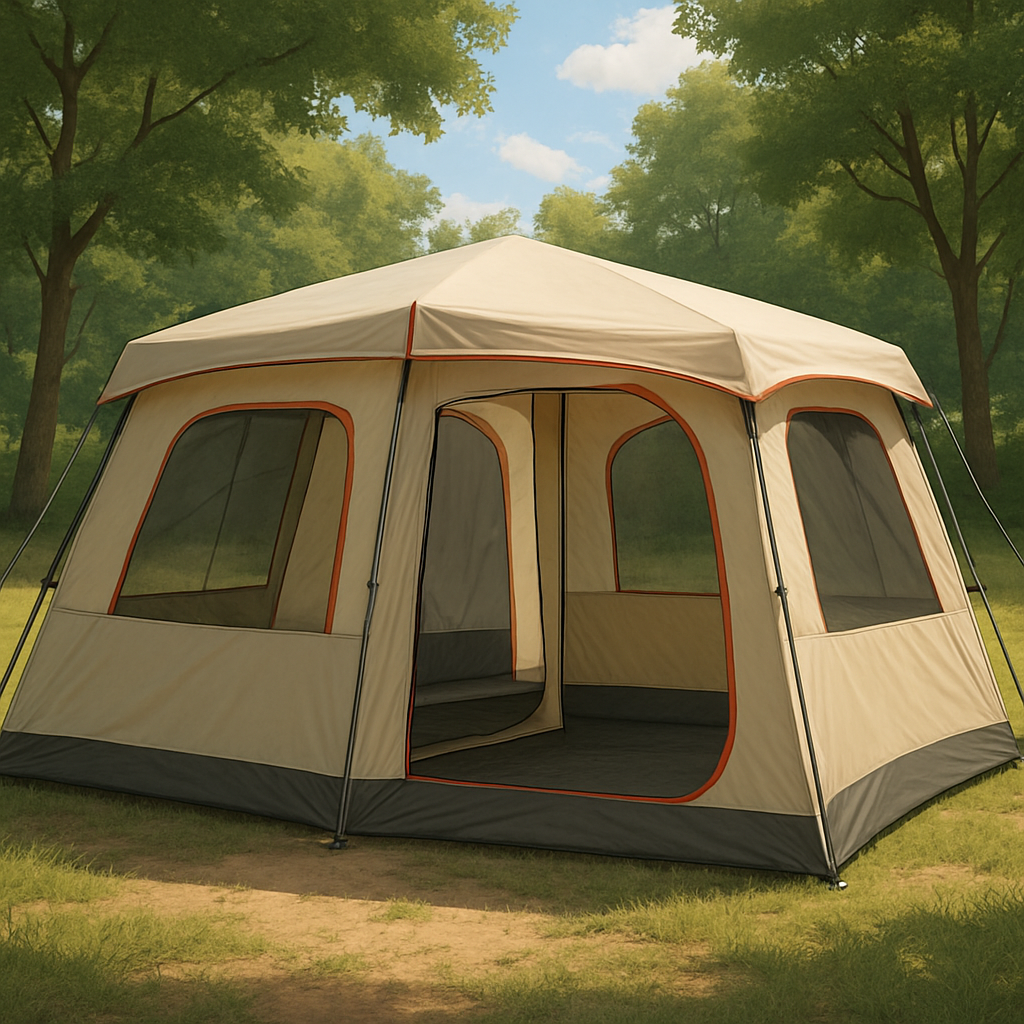
Seasonal readiness in camping tents means more than a rainfly. It’s about structure stability, insulation for sleeping comfort, and liveable layouts that keep everyone dry and comfortable. For families, four-season readiness hinges on a sturdy frame, room dividers to create sleeping zones, and ample ventilation to manage condensation. For solo hikers, waterproof ratings and fast-pitch systems reduce exposure time to wind and rain. Across all setups, prioritize durable fabrics, taped seams, and practical features that align with your adventure and vehicle access.
Four-season readiness for family tents
Best family camping tents for four seasons
Choose family tents designed for tougher weather: double-wall construction, robust aluminum poles, and at least two vestibules for gear storage and easy egress. Look for a layout that offers sleeping zones with a room divider—examples include a three person cabin tent with room dividers—to separate kids from adults while keeping a shared living area. For winter or shoulder-season trips, evaluate tent height, internal pockets for gear, and ready-to-use guylines. Proper ventilation is essential to minimize condensation without inviting drafts.
Insulation, vestibules, and ventilation considerations
Insulation comes from both the fabric and the sleeping setup. Use high-R sleeping pads or extra foam mats, and consider a bottom liner or interior tarp for cold nights. Vestibules sized to fit backpacks, boots, and a small stroller reduce entry-and-exit mess from the living space. Ventilation should include adjustable vents and mesh panels that admit air while blocking bugs; during damp nights, close vents partially to balance humidity and warmth.
Practical example: three person cabin tent with room dividers
A three person cabin tent with room dividers can provide private sleeping nooks and a central living area, ideal for a family with two adults and two kids. Plan an 8×9–10 ft footprint for comfortable movement and access to gear stored under vestibules. Pair with a canvas camping tent for rain and cold weather if you expect prolonged damp or snow—canvas breathes differently, handles humidity, and can feel warmer in winter months when well-vented.
Waterproof tents: ratings and selection
Understanding waterproof tent ratings (hydrostatic head)
Hydrostatic head (HH) measures how much water pressure fabric can withstand before leaking. Common ranges: 1,500–2,000 mm for budget or light-use tents; 3,000–5,000 mm for storms and heavier rain; 5,000+ mm in rugged, expedition-grade gear. Remember, fabric quality and seam integrity matter just as much as HH.
Choosing a waterproof tent with durable fabrics and seams
Prioritize taped or seam-sealed floors and flys, and look for durable fabrics (nylon or polyester) with appropriate denier ratings (70D–75D commonly). Coatings—PU for budget, silicone for long-lasting water repellency—affect longevity. Ensure the floor is reinforced and that seams are sealed at the factory; reproofing with a good DWR treatment after extended use helps maintain performance.
Quick setup features and lightweight options
Color-coded poles and clips speed setup
Color-coded poles, clips, and clear sleeve alignment reduce setup time and mistakes. Some models feature hub systems or pre-attached components that snap into place in minutes, which is invaluable when rain arrives mid-pitch. Pair with a simple guylines system to maximize stability in wind.
Lightweight camping tent options for car camping
Car camping can still benefit from lighter designs. Look for family tents in the mid-weight range (roughly 8–15 lbs for 4-person setups, 15–25 lbs for 6-person configurations) with aluminum poles and a compact pack size. For solo hikers, a lightweight backpacking tent designed for single occupancy can weigh well under 3–5 lbs, offering quick setup and reliable waterproofing while keeping gear accessible.
Camping tents FAQ
Camping tents span lightweight outdoor tents to rugged four-season family tents. Here are practical, actionable answers.
What is the best family camping tent for a four-season trip?
For four seasons, choose a four-season family tent with a strong freestanding frame, weatherproof fabric, and room for gear. Aim for 6–8 person capacity to fit kids and sleeping pads, plus two entrances and sizable vestibules. If space is tight, a three person cabin tent with room dividers can offer privacy, but expect less living area.
How do I choose a waterproof tent with quick setup for camping?
Look for a high hydrostatic head (at least 1500 mm; 3000 mm handles heavy rain), taped seams, and a waterproof floor. Favor quick-pitch systems: color-coded poles, hub or pop-up frames, and pre-attached guylines. A compact, lightweight waterproof tent that folds small but keeps rain out is ideal for frequent weekend trips.
Is a canvas camping tent suitable for rain and cold weather?
Canvas tents breathe and insulate in rain and cold when properly treated and ventilated. They are heavier and slower to dry, so choose 10–12 oz canvas with a sturdy frame and a quality rainfly. Use a groundsheet and ensure good airflow to minimize condensation.
Conclusion and practical next steps
Choosing the right Camping tents means aligning capacity, weather resilience, and ease of setup with your adventures. Whether you’re outfitting a weekend family trip or planning four-season excursions, the goal is to minimize stress and maximize time outdoors. Use these practical steps to refine your purchase and get the most from outdoor tents across seasons.
Key takeaways for selecting camping tents
Define occupancy and living space needs
Assess how many people will sleep and how much living space you require. For a family camping tent, consider a model with separate rooms or a cabin-style interior to create distinct sleeping areas and storage nooks. If you frequently travel with kids or gear, a three person tent with room dividers or a larger family tent can prevent crowding. For solo adventures, a lightweight camping tent that prioritizes compactness and quick setup is ideal. Think about height and vestibule space as well—an extra 10–15 inches of headroom and a dry entryway can dramatically improve comfort in rain or dew.
Prioritize waterproofing and durability for expected weather
Waterproof tents with sealed seams, reliable rainfly coverage, and robust fabrics perform best in rain. Look for a waterproof tent rating that matches your climate (four-season use requires durable fabrics and stronger stakes, while three-season models prioritize breathable materials with solid waterproofing). For canvas camping tents, consider wind resistance and insulation benefits, especially for cold rain storms, even though they’re heavier. A durable frame and reinforced guy lines prevent pole sag and pole failure in gusty conditions.
Tailoring your choice to family size and season
Evaluate cabin vs dome layouts
Cabin tents maximize interior volume and ease of movement, making them a natural fit for families and groups. They pair well with room dividers, giving each family member a defined space—think a three person cabin tent with room dividers. Dome tents tend to be lighter and quicker to pitch, performing well for solo hikers or small families on lighter packs. Weigh the advantage of interior partitions against the need for packing efficiency when choosing between outdoor tents styles.
Consider four-season vs three-season models
Four-season tents stand up to snow and high winds but add weight and bulk. They’re ideal for best family camping tents for four seasons, heavy rain, and late-year trips. Three-season tents excel in mild to moderate weather and are easier to transport. If your calendar features wet, cold regions, lean toward four-season or canvas options; otherwise, a well-sealed three-season model often suffices.
Practical purchasing checklist
Compare tent weights, pack sizes, and setup time
Weigh family tents against portability needs. Lightweight camping tent options suit backpackers hoping to trek light, while larger family tents require more stamina during travel and setup. Check packed dimensions and how long it takes to pitch versus a quick setup tent designed for camping.
Assess warranty and customer support
A solid warranty and accessible customer support save time in field repairs. Verify coverage for fabrics, seams, and zippers, and review return policies. For a canvas camping tent, confirm care instructions and replacement parts if panels or inserts wear over time.