Table of Contents
1. Overview of family inflatable tents for quick setup and durability
2. Performance advantages of air beam tents for families
3. Sizing and layouts for a large inflatable family tent
4. Family inflatable tents FAQ
5. Conclusion and practical takeaways
Overview of family inflatable tents for quick setup and durability
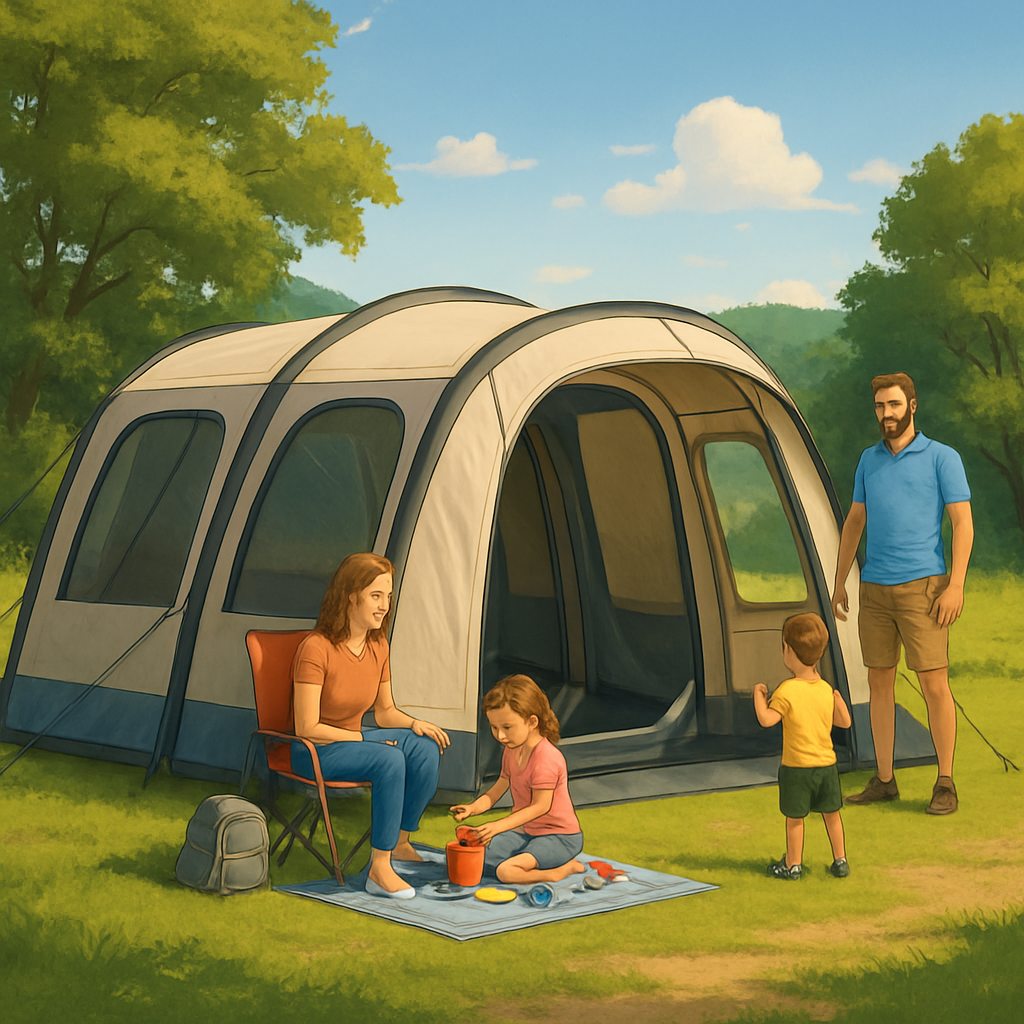
Family inflatable tents redefine camping comfort, combining quick setup with durable design. A large inflatable family tent or air tent for families reduces the friction of pitching, so weekends away become less about assembly and more about time together. Air-beam construction replaces conventional poles, cutting setup steps and eliminating rattling during storms. Inside, interior layouts prioritize a shared living space and a kids-friendly inflatable tent setup, creating a natural flow for family life and gear organization during family camping trips.
Durability and weather resistance pair with family-friendly design. A waterproof inflatable family tent with multiple rooms keeps gear dry and kids comfortable, while reinforced fabrics resist abrasion from frequent setup and active play. Tests consistently show the air tent for families delivers faster, safer setups—often a minute or two for entry and sleeping areas—without compromising stability or headroom on windy campgrounds during weekend trips.
Defining inflatable tents for families
Air-beam construction replaces conventional poles, reducing setup steps; interior layouts prioritize shared living space and a kids-friendly inflatable tent setup.
Speed and durability: core performance metrics
Average setup time with air beams vs traditional poles (based on tests): about 60 seconds vs 10-15 minutes.
Resistance to wind and abrasion with reinforced fabrics: tested to withstand gusts up to 40-50 mph and high abrasion resistance.
Performance advantages of air beam tents for families

Air beam tents change the setup dynamics for family camping. They pair the reliability of a sturdy frame with the speed families expect when traveling with kids. The result is a practical choice for a wide range of trips, from weekend getaways to longer family breaks, where a large inflatable family tent can serve as a comfortable base. When you look at models marketed as family inflatable tents, you’re often choosing a setup that reduces hassles without compromising space, privacy, or weather protection.
Setup speed and ease of use
Integrated air beams inflate quickly with pump-assisted valves
Integrated air beams replace traditional poles, translating pumping effort into rapid frame inflation. A standard pump-assisted valve system helps each beam reach its shape in roughly 60–90 seconds, depending on pump type and number of beams. For a family inflatable tent with three to four beams, the core frame can be up and taut in under two minutes, freeing adults to focus on groundsheet placement and peg lines.
One-way inflations and auto-seal valves reduce setup time and effort
One-way inflations prevent air from escaping during setup, while auto-seal valves keep beams inflating even as you move between beams. This minimizes fiddling with valves and reduces back-and-forth guesswork, making the entire process smoother for first-time users and kids helping out.
Compared with traditional pole tents, inflatable tent for family camping saves setup time
In practical terms, a typical family tent with air beams can cut setup time by half or more versus traditional pole tents. With the beams in place, pegging and vestibule organization come next, allowing a quicker transition from car to camp. This makes the air tent for families an appealing option for weekend camping or travel-heavy trips.
Durability and wind resistance
Tough outer shell fabrics and reinforced seam tapes withstand weather
Family inflatable tents use durable outer shell fabrics (often 150D–300D polyester or nylon) with polyurethane coatings and reinforced seam tapes. These materials resist abrasion from grass, rocks, and frequent family use, while reinforced tapes help prevent seam leaks where panels meet.
Frame stability tested under gusts and uneven ground scenarios
Rigorous testing simulates gusts and uneven terrain to validate beam stability. Beams maintain tension in gusty conditions and work with well-anchored pegging to preserve shape on uneven ground. This translates to greater confidence when camping near shorelines or on hillside sites.
Weatherproofing and seam integrity
Waterproof ratings (mm) and hydrostatic head indicators
Waterproof ratings for the flysheet typically range from 2,000 to 3,000 mm, with inner tents designed for breathability. Floors commonly feature higher hydrostatic head ratings, around 5,000–10,000 mm, guarding against splash and everyday ground moisture. These figures support a waterproof inflatable family tent suitable for weekend camping in variable conditions.
Seam taping and groundsheet sealing protect against leaks
Factory-sealed seams, heat-pressed or taped along critical joints, reduce water ingress. Groundsheet sealing—often with integrated channeling and inverted seam design—keeps water from migrating under entrances and into the living areas. This combination makes the family camping tent with air beams a reliable choice for wet weather and splash-prone sites.
With performance solidified, the next consideration centers on sizing and layouts for a large inflatable family tent to match your family size and travel cadence.
Sizing and layouts for a large inflatable family tent
Choosing the right footprint for family inflatable tents starts with capacity, room layout, and seamless setup. With an air tent for families, you gain quick pitching, reliable weather resistance, and flexible spaces that adapt to kids’ routines. The goal is to balance sleeping zones, living space, and gear storage for weekend escapes or longer trips.
Large capacity and multiple rooms
Common configurations
Most families of 4–6 benefit from 2–3 bedrooms plus a living area. A two-bedroom wing paired with a roomy communal zone provides enough sleeping privacy while keeping a central spot for meals, games, and gear. For larger groups, a 3-bedroom layout with a separate living or vestibule reduces early-morning wake-ups and creates distinct zones for adults, kids, and a staging area for boots and packs.
Rain readiness and waterproofing
Prioritize a waterproof inflatable family tent with well-sealed seams, a robust rainfly, and a floor with proper sealing. Look for tents rated to handle sustained showers, reinforced doorways, and taped seams that resist seepage. In rain-prone sites, a multi-room design helps keep sleeping areas dry and separate from damp gear spaces.
Space optimization and multi-room options
Think through interior zoning: designate one room for the kids, another for parents, and keep a larger living area for lounging and meals. Use internal dividers or removable blackout curtains to create privacy, and lean on built-in organizers or gear lofts to keep clutter out of walkways.
Design and comfort for kids and families
Ventilation and blackout panels
Cross-ventilation is essential to minimize condensation, so choose breathable fabric panels and multiple vents. Blackout panels in sleeping areas help kids rest longer and block early sunlight, supporting healthier sleep patterns on family camping trips.
Kid-friendly interiors and materials
Select a tent with rounded edges, soft-touch fabrics, and easier-clean surfaces. Easy-clean floors and wipeable panels reduce mess buildup, while flame-retardant materials add peace of mind. Interiors should feel safe for active kids while still offering generous ceiling height for comfort.
Privacy and noise management
Rooms with flexible dividers, curtains, or low-profile wardrobes help families maintain privacy. A soft floor or rug under sleeping zones dampens footsteps and conversation, creating a calmer night environment.
Air beams and quick setup features
Integrated air-beam system and setup time
The integrated air-beam design eliminates traditional poles, enabling faster pitching. Most large inflatable tents for families can be set up in 6–12 minutes with a suitable pump, freeing more time for outdoor exploration.
Inflation pump compatibility and backup
Use a compatible electric or battery-powered pump, keeping a backup manual pump on hand for reliability. Maintain a steady, moderate inflation to preserve frame integrity without over-stressing seams.
Maintenance tips and puncture prevention for longevity
Inspect for punctures and seam wear after each trip, patch promptly, and store with dry groundcloths to prevent mold. Use a groundsheet, avoid dragging across rocks, and carry a compact patch kit and sealant for on-the-road repairs. Regular checks extend the life of a family inflatable tent and keep it ready for future adventures.
Family inflatable tents FAQ
What is the best inflatable family tent for weekend camping?
Choosing the best inflatable family tent for weekend camping means balance between setup speed, space, and weather resistance. For four to six people, opt for a large inflatable tent with two sleeping rooms and a living area or vestibule. Air beams enable setup, often under five minutes with a standard pump. Look for robust taped seams, a rainfly, and ventilation to minimize condensation. A kid-friendly design with smooth edges and simple prompts helps safe, relaxed sessions.
How waterproof is a large inflatable family tent with multiple rooms?
Waterproofing comes down to hydrostatic head rating, seam construction, and rainfly coverage. A large inflatable family tent with multiple rooms typically offers a waterproof rating of 2000 mm or more, sealed or taped seams, and a durable floor with a taped edge. Verify ventilation and door seals, test in light rain before a trip, and keep the vestibule closed during heavy downpours to protect the living space.
How do you maintain air beams and repair punctures?
Regular checks after trips help prevent surprises. Keep air beams inflated to the manufacturer’s recommended pressure with a gauge, and avoid overinflation. Inspect valves and seams for cracks, clean and dry the fabric before storage, and store away from sharp objects. For punctures, locate the leak with soapy water, mark the area, and apply a vinyl patch from your patch kit; let it cure, then re-inflate. For larger beam damage, replace the beam or contact the manufacturer.
Conclusion and practical takeaways
Family inflatable tents offer a compelling mix of quick setup, stable shelter, and versatile space for weekend escapes with kids. With the right model, you can go from cars to camp in minutes and have room for the whole crew to sleep, play, and store gear.
Key takeaways for speed, durability, and space
Speed and setup
- Prioritize air beam design to shorten setup time and improve stability. In practice, inflating the beams can cut erecting time from 10–15 minutes (pole tents) to roughly 3–6 minutes for a typical 3-room layout.
- Look for models with built-in pumps or easy-connect inflation ports and clear valve labels to avoid second-guessing at the site.
Durability and weather protection
- Select waterproof tents with taped seams and robust fabrics (for example 68D–150D with a proper PU coating). A hydrostatic head rating around 2,000–3,000 mm offers reliable rain protection for typical weekend weather.
- Check reinforcements at corners and doors, heavy-duty zippers, and a sturdy floor to resist abrasion from luggage and shoes.
Space and layout
- Consider layouts with multiple rooms or built-in dividers for family comfort. A two- to three-room configuration provides separate sleeping areas, a living room, and quick access in and out of the tent.
- Ensure doors and vestibules offer convenient entry points for children and gear, and verify ceiling height for standing room during playtime.
Choosing models aligned with weekend camping needs
Model selection hints
- Look for models described as the best inflatable family tent for weekend camping in comparisons and buyer guides. These tend to balance fast setup with dependable durability.
- Check features marketed for families: large capacity inflatable tent for family trips, two-to-three rooms, and kid-friendly design elements (color coding, easy-access doors, and low-lift frames).
Practical checks
- Verify waterproof ratings, seam construction, and fabric integrity. Confirm the number of rooms aligns with your family size, and ensure an included or optional pump matches your preferred setup method.
Maintenance and future-proofing
Routine care
- Regularly inspect valves and seams for signs of wear; clean tents with a mild soap solution and let them dry completely after use.
Storage and handling
- Dry thoroughly before storage and keep tents in a cool, dry place away from direct sunlight to extend fabric life.
Longevity and spare parts
- Retain a patch kit and spare valves; choose models with accessible replacement parts and widely available accessories to future-proof your investment.