
Table of Contents
1. Introduction to Coody inflatable tents and airframe performance
2. Coody inflatable tent setup and stabilization
3. Waterproof performance and design considerations
4. Coody inflatable tents FAQ
5. Conclusion and expert recommendations
Introduction to Coody inflatable tents and airframe performance
Coody inflatable tents offer an efficient shelter system built around an airframe design that replaces conventional poles. This approach accelerates setup, letting you stake a site and be inside sooner after arriving at the campground. The focus on robust seam construction and waterproofing ensures a reliable shelter in rain, wind, or sudden storms. With varieties that integrate valves or built-in pumps, the gear reduces manual pumping and simplifies inflation, so you can spend more time enjoying the outdoors.
What makes Coody inflatable tents unique?
Airframe design replaces conventional poles for faster, simpler setup
Integrated valve and pump options streamline inflation and reduce manual effort
Focused attention to seam construction and waterproofing for reliable shelter
Understanding the Coody tent system?
Modular components that scale across models and capacities
Different capacities: two-, four-, and six-person options
After-sales support and replacement parts availability
Choosing the right option means matching capacity to your crew: two-, four-, or six-person Coody inflatable tents fit family camping or solo trips with room to spare. Aim for waterproof inflatable tents with an integrated pump or valve kit, and confirm replacement parts and after-sales support. With those elements in place, you’re ready for a smooth Coody inflatable tent setup and stabilization.
Coody inflatable tent setup and stabilization
Proper setup and stabilization ensure the airframe holds shape, maintains airflow, and keeps seams watertight in changing conditions. With the Coody tent system, a disciplined sequence reduces pitch time and improves stability in wind and rain. Follow these steps to get the most from a waterproof inflatable tent, whether you’re mapping out the best Coody inflatable tent for camping or running a family trip with a built-in pump.
Coody inflatable tent setup instructions
Unpack and identify all components before starting
Lay out the tent shell, airframe sections, built-in or external pump, guylines, stakes, repair kit, and groundsheet. Inspect all seals and connectors for punctures or wear. Confirm you have the manual handy and verify replacement parts are accessible. This reduces mid-pitch surprises and keeps the waterproof inflatable tent performing as designed.
Inflate sections in a logical sequence per manufacturer guidance
Connect the pump to the first airframe node and inflate gradually, then move to adjacent sections to balance tension. Alternate between compartments to prevent skewed shapes. If your model has a built-in pump, follow its sequence and stop when sections feel firm but not stretched. Listen for leaks and watch for sagging seams; recheck connections if anything looks uneven.
Seal seams and tension guylines after inflation
With the airframe pressurized, inspect all fabric seams and seals. Apply patches only if needed and allowed by the manual. Attach guylines and tensioners evenly around the perimeter, aiming for a uniform tautness that doesn’t distort the fabric. Recheck after a few minutes of wind exposure or temperature change.
Stabilizing the airframe and guy lines
Attach guylines to maintain shape in wind
Anchor each guylines at recommended angles, typically 45 to 60 degrees from the tent edge, using appropriate stakes or ballast. Use tensioners to achieve even pull without over-tightening, which can deform the airframe or kink fabric seams.
Monitor inflation pressure; avoid over-inflation
Regularly verify air pressure as temperatures shift from day to night. Cold air lowers pressure while heat increases it; too much pressure can stress seals, too little can allow flaps or flaps. Adjust gradually to keep the frame stable without overstressing components.
Use stakes, guylines, or ballast to secure the tent
Uplifting wind warrants extra ballast. In rocky soils, select durable stakes; in soft ground, lengthen stakes or add ballast such as sandbags or water jugs. Place ballast away from doors and vents to prevent airflow blockages and maintain waterproof integrity.
Choosing the right location and ground conditions
Select flat, level ground with good drainage
Choose terrain with minimal slope and clear drainage paths. Test for water pooling by probing the surface moisture after a light rain. Levelness minimizes seam stress and helps the airframe hold its shape.
Check for overhead hazards and away from water runoff
Avoid low-hanging branches, unstable limbs, and potential runoff paths. Even a minor hill can channel water into the vestibule during a storm.
Avoid debris, sharp objects, and highly absorbent surfaces
Clear rocks, sticks, and litter that could puncture seals or abrade fabric. Steer clear of highly absorbent soils that can wick moisture toward seams and reduce stability.
The ground and stabilization decisions influence waterproof performance and design considerations, where fabric coatings, seam configurations, and venting options come into play to keep you dry and comfortable as conditions evolve.
Waterproof performance and design considerations
Coody inflatable tents fuse quick setup with airframe stability, making waterproof performance a top priority for family trips and weekend excursions. Focus on rating, seam integrity, and thoughtful fly and vestibule design to keep the interior dry in variable conditions.
Waterproof ratings and seam construction
Look for hydrostatic head ratings (e.g., 1500–3000 mm) suitable for your conditions
Coody inflatable tents with higher hydrostatic head ratings handle heavier rain and higher wind exposure. For family camping in mixed seasons, target 2000–3000 mm as a baseline; lighter setups around 1500–2000 mm work in dry-to-moderate climates.
Taped or welded seams with proper sealant maintenance
Choose models that use taped or welded seams. Regularly reapply seam sealant after setup to maintain weatherproofing, especially along ground seams and door penetrations.
Waterproof fly coverage and vestibule design reduce exposure
A full-coverage fly that overhangs the doors and generous vestibules protect gear and entrances from splashes. Look for overlapping fly edges at zippers and reinforced corners to prevent rain intrusion during gusts.
Coody four person inflatable tent review
Capacity and comfort for a family or small group
The four-person setup typically accommodates two adults and two children with a shared sleeping area. Vestibules are essential for dry gear storage; consider an extra footprint for ground protection in muddy campsites.
Layout: sleeping area, vestibules, ventilation, and door count
Two entry doors with dedicated vestibules improve airflow and minimize cross-traffic during the night. A well-placed ventilation panel behind the sleeping area balances condensation and airflow when temperatures swing.
Pack size, weight, setup speed, and value compared to similar models
Four-person inflatable tents from Coody aim for compact packs and faster setup than traditional pole tents. Expect a pack volume in the mid-range for inflatable systems and setup times around 10–15 minutes once the airframe is inflated. Value grows with reliability and build quality versus similar models in the same price band.
Typical price range and overall value proposition
Prices for four-person Coody inflatable tents sit in the mid-range of inflatable families, reflecting durable fabrics, reinforced seams, and practical layouts. The value proposition centers on quick sheltering, solid waterproofing, and long-term durability for family camping.
Built-in pump options and electrical considerations
Built-in pumps save time and simplify setup
Integrated pumps streamline inflation, reducing setup time and avoiding extra pumps or manual inflation rituals. This is especially helpful for families or groups aiming for a fast campsite turnaround.
Power source options: USB, battery, or mains; consider run time
Check how the pump is powered: USB power banks, built-in battery packs, or mains adapters. Consider run time between charges, weather impact on battery life, and whether you’ll have reliable access to USB charging or electricity at sites.
Warranty considerations for integrated pumping systems
Review warranty coverage on the pump unit and any electrical components. A robust warranty protects against motor wear, seal failures, and water ingress into electrical housings, which is essential for long-term family use.
Coody inflatable tents FAQ
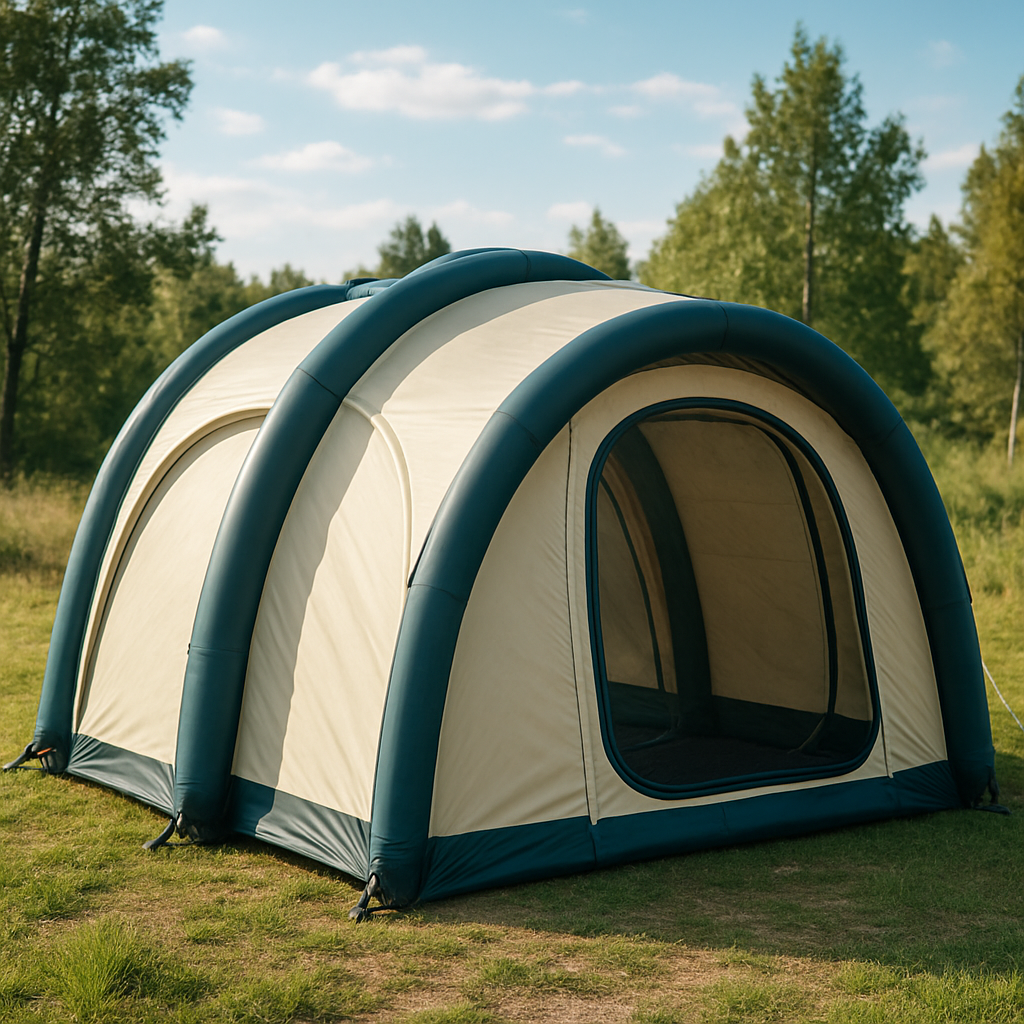
Coody inflatable tents streamline pitching with airframe beams and rapid inflation. You can choose models with or without a built‑in pump, yet all emphasize a rigid, stable shell and reliable weather resistance. Below are practical answers focused on setup, model selection, and waterproof performance.
What is the setup process for a Coody inflatable tent?
Unpack on flat ground and lay down a groundsheet. Spread the tent and align it with the footprint. Attach air beams to the hubs, then inflate using the built‑in pump or a compatible pump until the frame is firm. Clip the tent fabric to the beams, fit the rain fly, and stake corners. Tension guylines if wind is expected. Do a quick check of seals and vents. A typical 2–4 person Coody inflatable tent setup takes about 5–8 minutes.
Quick setup tips
- Inflate hubs first to establish the correct footprint.
- Use the built‑in pump when available to speed up the process.
- Secure guylines and pegs in windy conditions.
Which Coody model is best for camping?
For family car camping, the four‑person model offers spacious interiors and straightforward setup. For solo or two people, the two‑person variant saves weight and pack space. If speed matters, choose a model with a built‑in pump to shave minutes off the setup.
Quick model tips
- Match interior height and vestibule size to your gear load.
- Consider overall pack weight and transport method.
Can Coody tents be fully waterproof?
Coody designs include waterproof rainflies and tub‑style floors with taped seams on many models. When pitched correctly with the rain fly in place, the system sheds heavy rain well. For maximum protection, use a footprint, seal seams as recommended, and tension guylines to reduce water ingress from wind-driven rain.
Waterproofing tips
- Ensure the rain fly fully covers and is centered over the tent.
- Seal seams and inspect vents after heavy rain for dryness.
Conclusion and expert recommendations
Coody inflatable tents combine spacious interiors with rapid setup, making them a strong option for both family trips and solo explorations. Choosing the right model means balancing capacity, ease of inflation, and weather protection. The Coody tent system remains competitive because you can tailor the configuration to your climate and camping style, from best Coody inflatable tent for camping scenarios to waterproof inflatable tent needs.
Key takeaways for choosing a Coody inflatable tent
- #### Prioritize capacity and weight for your trips
Match the tent size to your group and how you travel. For car camping, a four-person Coody inflatable tent often hits the sweet spot between space and transport, while backpackers may prefer lighter three-person airframe tents. Consider interior height and vestibule space for gear.
- #### Consider built-in pump options if setup speed is a priority
Built-in or integrated pumps shorten setup time and reduce the risk of user error during inflation. If speed matters, look for models advertised as having a built-in pump or streamlined airframe deployment as part of the Coody tent system.
- #### Assess waterproofing features and seam quality for your climate
Look for robust seam sealing and a waterproof canopy. A waterproof Coody inflatable tent should show taped seams, a reliable floor construction, and competent rainfly coverage to handle mist, rain, and dew in coastal or mountain environments.
Best practices for performance and longevity
- #### Regularly inspect valves, seams, and zippers for signs of wear
Before trips, and mid-season, check for seepage, cracking on valves, loose stitching, and stiff or snaggy zippers. Address issues with patch kits or service through authorized channels to preserve airframe integrity.
- #### Dry thoroughly after use and seal seams before storage
After outings, ventilate the tent and wipe down any damp areas. Re-seal any compromised seams with approved sealant and ensure the fabric dries completely before packing away.
- #### Store uninflated in a cool, dry place away from direct UV
Keep the tent flat and uninflated in a shaded cabinet or storage bag. Prolonged sun exposure or heat can degrade fabrics and elastics in the air beams of inflatable tents.
Buying considerations and maintenance tips
- #### Check warranty length and service options
Confirm the duration and what it covers, plus whether Coody offers official repair services or authorized centers. A solid warranty simplifies long-term ownership.
- #### Ensure spare parts availability (valves, patches, repair kits)
Verify you can source compatible valves, patches, and repair kits for your model. Access to parts reduces downtime after punctures or valve wear.
- #### Follow model-specific inflation sequences and PSI guidelines
Adhere to the exact inflation order and target pressure for your chosen model. Deviating from the recommended sequence or overinflating can stress seams and shorten the life of the airframe.